You have 0 items in your cart

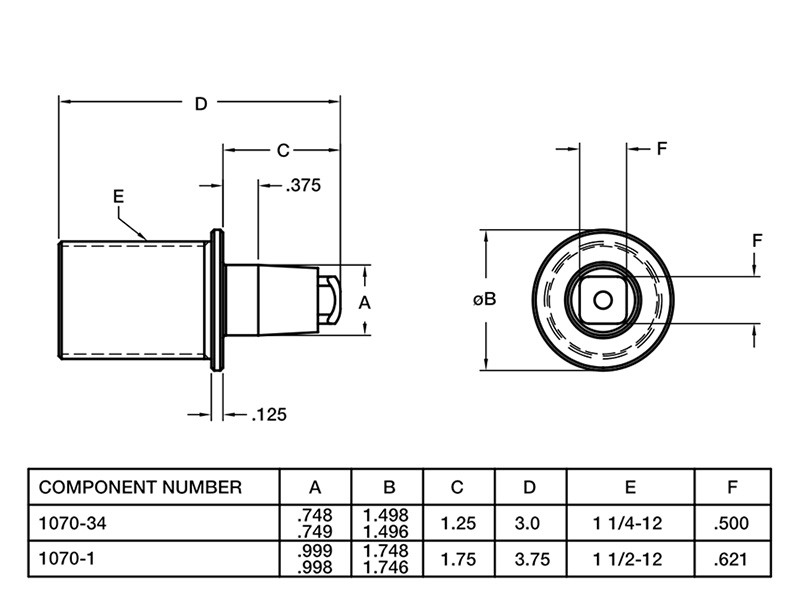

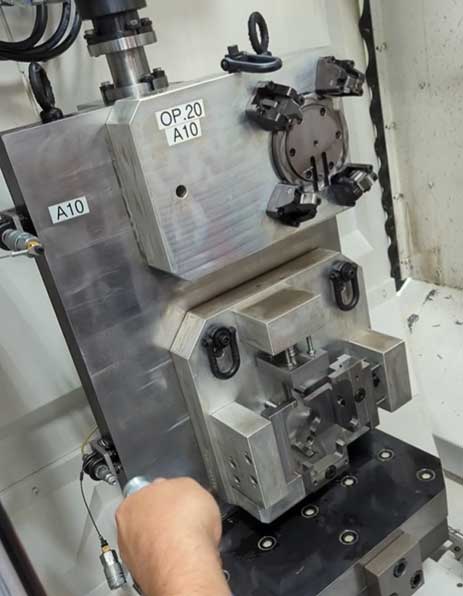
Fixture changeovers are a routine part of aerospace machining, especially in high-mix, low-volume production environments. However, each setup introduces the potential for variation.
Manual fastening methods rely on operator techniques, which can lead to inconsistent clamping and positioning. Re-indicating fixtures adds time between jobs and increases machine downtime. Variability between operators and machines further compounds the issue.
The impact extends beyond the setup itself:
These hidden costs can limit both efficiency and overall process control.
In aerospace applications, repeatability is foundational.
Parts often move across multiple operations, machines, and setups. Maintaining a consistent datum reference throughout the process is critical to controlling tolerance stack-up and ensuring part integrity. In addition, many aerospace programs require strict process validation and traceability, making consistency across setups essential.
Without a reliable method for maintaining positional accuracy during changeovers, manufacturers are forced to rely heavily on operator skill and additional verification steps, both of which introduce variables.
Maintaining a consistent reference point throughout the machining process is critical to ensuring part integrity and meeting quality standards.
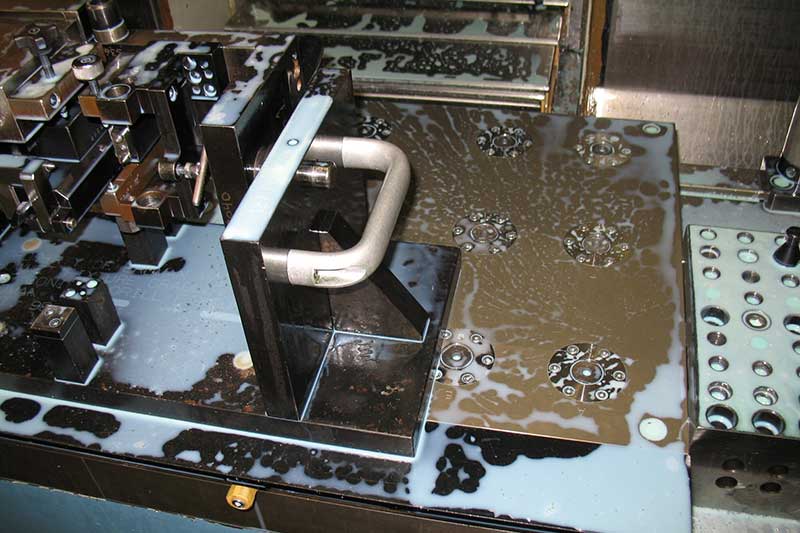
Zero-point workholding solutions provide a repeatable method for locating and clamping fixtures. By replacing traditional fastening approaches with standardized mechanisms, these systems reduce variability during setup.
Instead of manually aligning and securing each fixture, operators can achieve consistent positioning through a defined mechanical interface. This results in:
The goal is not simply to speed up changeovers, but to make them repeatable and controlled.
The goal is not simply to speed up changeovers, but to make them repeatable and controlled.
Segen Quick Change workholding solutions are engineered to support the precision and repeatability required in aerospace machining.
By providing accurate, repeatable positioning and secure clamping, Segen allows manufacturers to maintain consistency across fixtures, machines, and operations. This reduces the variation typically introduced during changeovers and supports more stable machining processes.
Segen systems are particularly well suited for environments where:
The result is a more predictable and controlled manufacturing process, with less reliance on manual intervention.
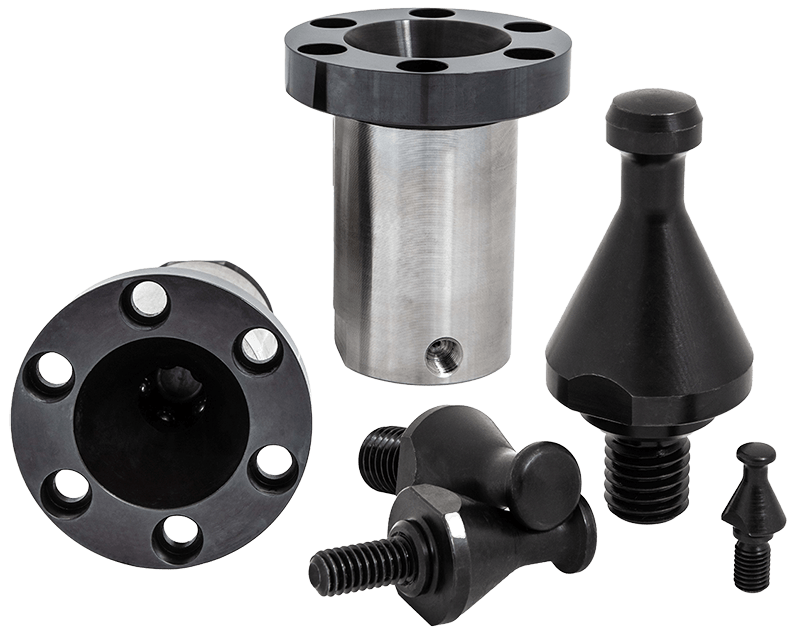
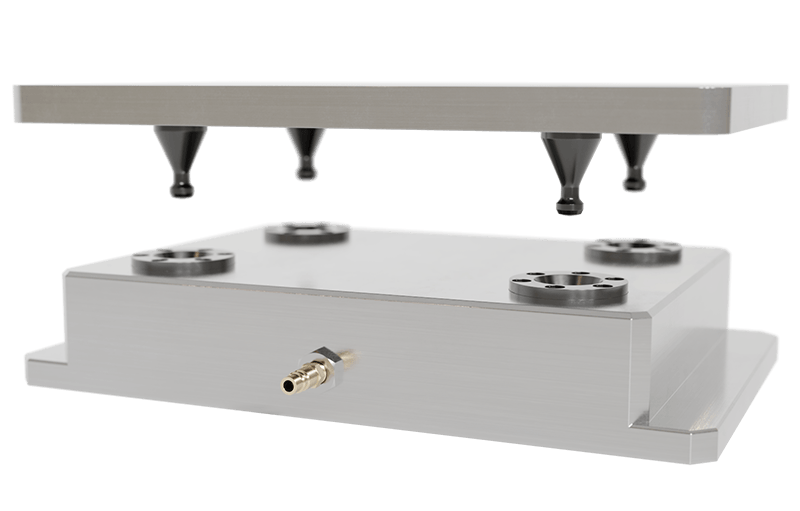
Implementing a zero-point workholding system such as Segen can deliver measurable improvements across both performance and efficiency:
These benefits contribute to a more efficient and predictable manufacturing environment.
As aerospace manufacturing continues to grow and evolve, the need for flexible and scalable production becomes more important. Manufacturers are increasingly required to run smaller batches, manage complex part families, and adapt quickly to changing production demands.
Segen Quick Change workholding solutions support these requirements by enabling:
This flexibility allows manufacturers to respond more effectively to production demands without sacrificing precision or control.
In aerospace machining, achieving consistent results requires control at every stage of the process. While machining strategies and machine capabilities are critical, setup consistency plays an equally important role.
By reducing variation during fixture changeovers, Segen Quick Change workholding solutions help manufacturers improve process stability, maintain accuracy, and increase overall efficiency.
Better control at the setup stage leads to better outcomes across the entire operation.
Fill out the form for more information and we will get back to you.