You have 0 items in your cart
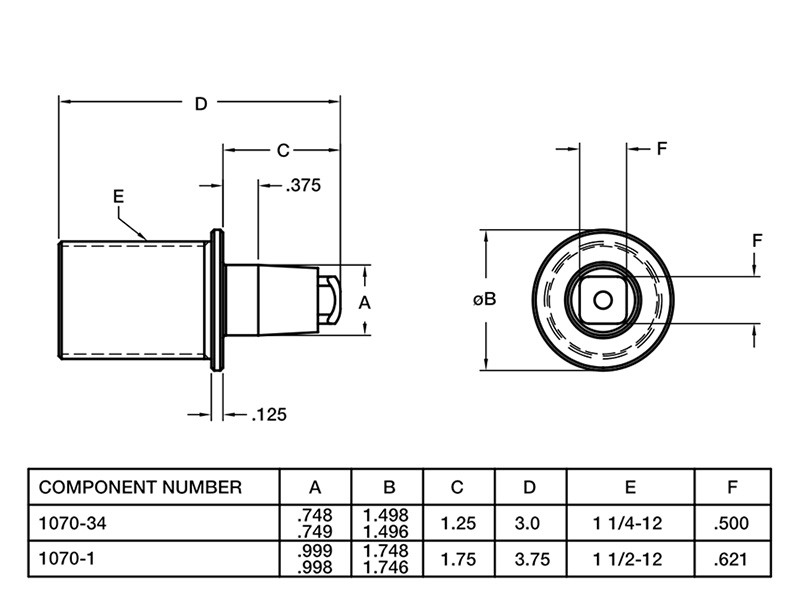


Successful automation projects begin with our design team translating your unique needs into a practical and efficient system. As part of our comprehensive robotic automation integration and assembly solutions, our staff of seasoned multi-disciplinary engineers, including mechanical, process automation and controls experts, work across today’s CAD/CAM and simulation software to create solutions that streamline your operations.
Robotic automation is an excellent way to enhance assembly processes — helping to streamline production, increase efficiency, improve quality control, and reduce labor costs. As part of our robotic automation integration and assembly solutions, we offer automated assembly systems ranging from simple setups and lean cells involving basic machinery to highly complex systems incorporating advanced robotics, vision systems, and artificial intelligence, including solutions provided by Century Automation.
Our expertise lies in developing custom automated assembly systems tailored to your specific product requirements and production goals. We design and build solutions ranging from single-station lean cells to fully integrated, multi-station assembly lines. Our process involves a thorough analysis of your manufacturing needs to ensure the system we deliver improves throughput and product quality. We integrate a variety of technologies, including robotic part handling, automated fastening and joining, adhesive dispensing, and precision placement to create a seamless and efficient workflow. Each system is engineered to be reliable and scalable, providing a foundation for your continued growth.
| Automated Assembly | |||||||
| General | Dispensing | Joining | Inspection | ||||
| Synchronouse and asynchronous processes | * | ||||||
| High-speed assembly | * | ||||||
| Small parts assembly | * | ||||||
| Multiple product assembly capability | * | ||||||
| Manual work cells | * | ||||||
| Assembly mistake-proof cells (Poka-yoke) | * | ||||||
| Full assembly lines | * | ||||||
| Robotic work cells | * | ||||||
| Volumetric dispensing | * | ||||||
| Weight dispensing | * | ||||||
| Coordinated motion bead path dispensing | * | ||||||
| Bonding systems | * | ||||||
| Drilling systems | * | ||||||
| Screwdriving and bulk feeding | * | ||||||
| Press with preload and rotary compensation | * | ||||||
| Press to force and/od distance | * | ||||||
| Nut runners | * | ||||||
| Heat staking | * | ||||||
| Adhesive (glue, Loctite, grease) | * | ||||||
| Laser welding | * | ||||||
| Ulstrsonic welding | * | ||||||
| MIG welding | * | ||||||
| Spot welding | * | ||||||
| Machine vision inspection | * | ||||||
| Dimensional guaging with vision, laser and physical | * | ||||||
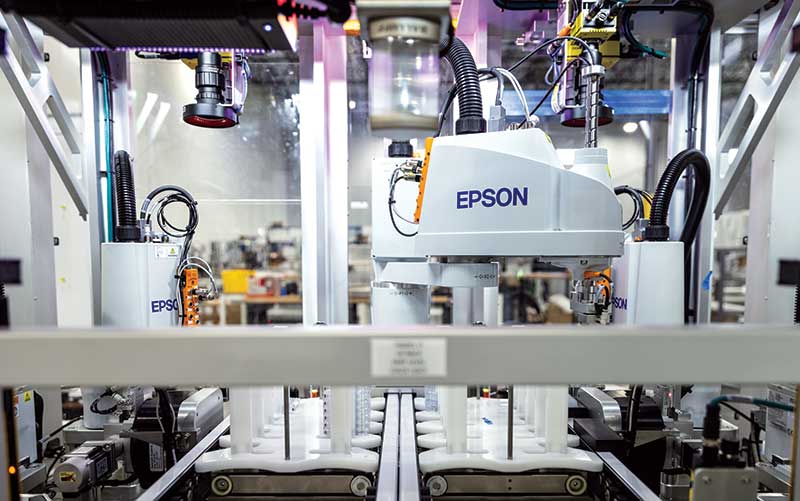
Automated inspection plays a crucial role in modern manufacturing by helping companies improve product quality, reduce waste, and enhance overall efficiency. As part of our comprehensive robotic automation integration and assembly solutions, we can design automated inspection systems to perform a wide range of tasks, including dimensional and/or surface inspection, defect detection, and quality control.
We engineer advanced automated inspection systems that integrate seamlessly into your production line to uphold the highest quality standards. Using technologies like high-resolution machine vision, 2D and 3D scanning, and contact sensors, our systems perform meticulous checks for dimensional accuracy, surface flaws, and assembly correctness. This process not only identifies and isolates non-conforming parts in real-time but also collects critical data for process optimization. By automating inspection, we help you reduce manual errors, minimize waste, and ensure every product meets exact specifications before it leaves your facility.
| Automated Inspection | |||||
| Testing | Verification | Documentation | |||
| Pressure decay leak testing | * | ||||
| Flow testing | * | ||||
| Electrical properties testing | * | ||||
| Incoming material lot control | * | ||||
| Statistical process control data collection | * | ||||
| Assembly birth certificates | * | ||||
| Laser, inkjet and impact marking | * | ||||
| Barcoding | * | ||||
| 2D matrix | * | ||||
| RFID systems | * | ||||
| Labeling | * | ||||
| Traceability | * | ||||
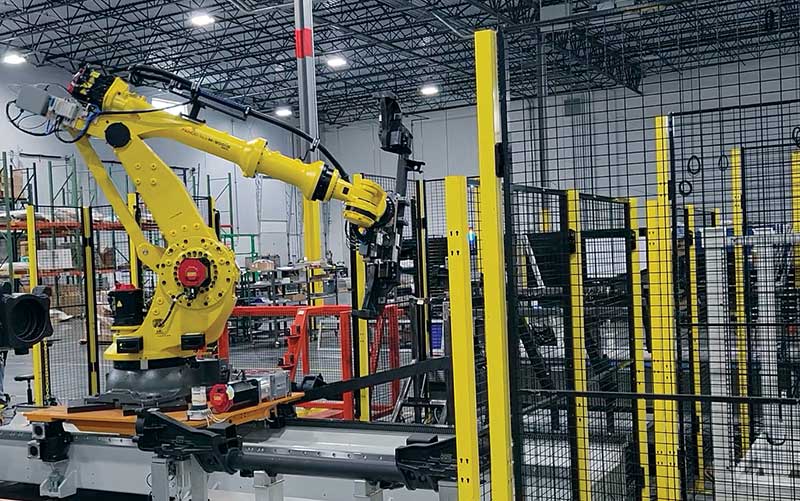
With experience in advanced technologies such as robotics and conveyor belts, we can help manufacturers seamlessly move materials from one station to another as part of our comprehensive robotic automation integration and assembly solutions, streamlining workflows and optimizing resources effectively. Automated material handling systems can also help companies minimize errors or damage during transportation, ensuring that products are handled with precision and care. These systems can be paired with modular tooling solutions, such as the Segen Quick Change system, to reduce downtime and improve overall system efficiency.
We create integrated material handling systems that automate the movement of parts and products throughout your facility. Our solutions include robotic pick-and-place, conveyor systems, gantry loaders, and palletizers designed to work in sync with your manufacturing processes. By automating material transfer, we reduce the risk of product damage, improve workplace safety, and create a more predictable production flow. When combined with modular solutions like our Segen Quick Change system, these automated processes significantly decrease downtime during changeovers, keeping your operations running smoothly and efficiently.
| Material Handling | |
| Robotic servo controlled integration | * |
| Gantry systems | * |
| Conveyor systems | * |
| AGV's | * |
| Rotary dial indexers | * |
| Walking beam indexers | * |
| Large bulk contrainwer management | * |
| Vibratory feeders | * |
Knowledgeable across a variety of joining technologies, Tooling Tech Group is experienced in developing fixtures and automated work cells for the joining of plastic, composite and metal structures. Our innovative, high-quality joining solutions bring efficiency to the shop floor and are designed and built to meet specific customer parts and requirements.
Our engineering team designs joining systems that are optimized for your specific materials and structural requirements. For bonding, we develop automated cells that precisely apply adhesives to ensure consistent bond strength and integrity. Our welding solutions include ultrasonic systems for plastic components and spot welding for metal assemblies, all integrated into robotic cells for repeatability. For mechanical fastening, we engineer automated stations that accurately install rivets, screws, or other hardware, creating durable and reliable joints for complex products.
In the realm of post-composite molding, trimming plays a vital role in ensuring that the final product meets all specifications and requirements set forth by designers and engineers. Tooling Tech Group provides precision trimming systems that remove any excess material from the composite part to achieve precise dimensions and smooth edges. These systems, which vary from manual to robot-tended, are designed and built to meet specific customer parts and requirements and may use one or more of the processes below.
We engineer custom trimming systems that deliver clean, precise finishes on composite and molded parts. Our robotic routing and drilling cells are programmed for complex geometries, ensuring accuracy on every part. For higher volume needs, our trim and punch presses are built for speed and repeatability, performing de-gating, de-flashing, and creating openings in a single cycle. These automated solutions are designed to handle various materials and part complexities, reducing manual labor and improving cycle times while maintaining tight tolerances.
Many molded products require the insertion of additional parts to complete the assembly. A snap-fit assembly method creates interlocking features allowing plastic components to “snap” into place precisely. Tooling Tech Group has vast experience in automating this process with a snap press that pushes the multiple parts together to create a strong joint without the need for additional tools or fasteners.
Punch Presses apply precision knockouts of material in a given part, such as is prevalent in bumper facias to accommodate today’s Advanced Drive Assistance Systems (ADAS) sensors.
Our automated snap and punch press systems are engineered for precision and high-speed operation. For snap-fit assemblies, we design end-of-arm tooling that carefully handles components and applies the exact force needed to engage interlocking features without causing damage. Our punch presses are built into dedicated machines that provide the stability and control required to create clean knockouts for sensors, fasteners, or access ports. Each system is designed to integrate seamlessly into your production line, ensuring fast and repeatable secondary operations.
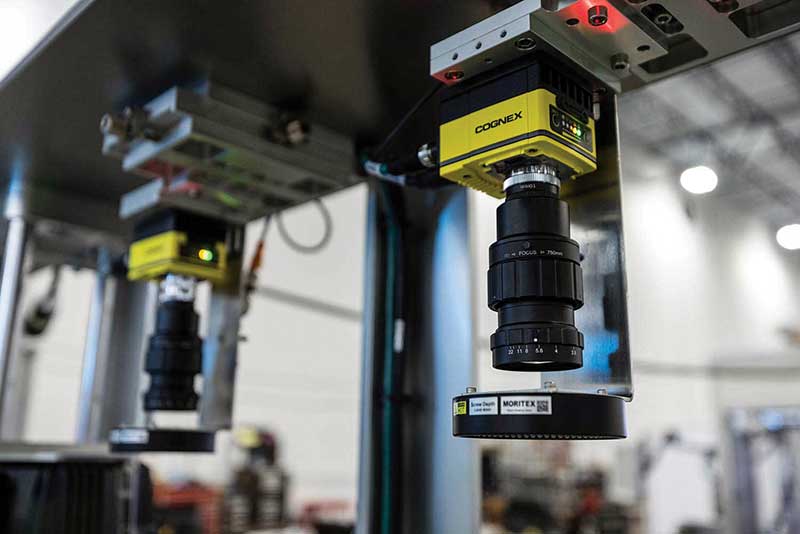
To ensure quality control of the components being manufactured, we can also provide automated vision guidance and monitoring. This cutting-edge technology utilizes cameras and sensors to provide real-time information about processes or activities. It allows for the automatic detection of objects, patterns, or anomalies in images or videos, which helps make informed decisions quickly and allows for pre-determined corrective actions within the software.
Our vision guidance and monitoring systems provide real-time intelligence for your manufacturing line. We integrate cameras and sensors to verify part presence, confirm correct orientation, and guide robotic movements with high accuracy. This technology is crucial for complex assembly tasks where precision is paramount. The system continuously monitors the process, flagging any deviations from the standard, which allows for immediate adjustments. This proactive quality control minimizes defects and ensures the consistency of your final product.
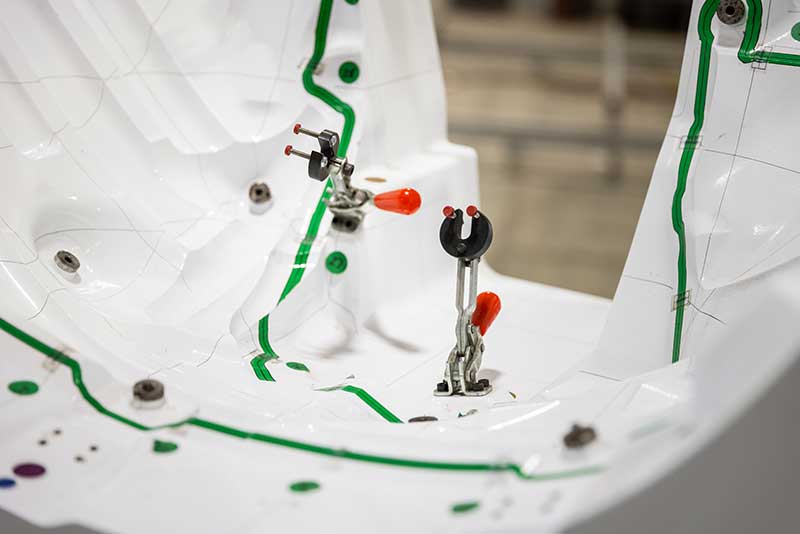
Designed to hold and support parts during inspection, these fixtures allow technicians to easily assess key features such as dimensions, surface finish, and overall integrity. This helps to quickly identify any defects or irregularities in the formed parts before they reach the final assembly stage.
We design and build robust inspection fixtures that provide a stable and accurate reference for quality control checks. Constructed from durable materials and machined to precise specifications, these fixtures securely hold parts in a repeatable position, eliminating measurement variability. They are engineered with clear access points for manual gauges, probes, or CMM equipment. By establishing consistent datums, our inspection fixtures enable your technicians to perform reliable and repeatable assessments of critical dimensions and surface features, ensuring every part conforms to your standards.
Fill out the form for more information and we will get back to you.
Request a Quote
Proprietary Joining Solutions for Big Boy Toys
In this process, the heavy truck components (about 5-ft x 7-ft in size) are kept in a glue/bond apply station where a robot travels along a shuttle applying the adhesive to the different stations. The operator then manually loads the components in the front half of the cell and six components on the other side of the cell. The side with six components pivots up and is merged with the stationary side with the three components. The cycle then starts where cylinders are engaged to apply the pressure to finalize the bond
Combining Manual and Automated Processes
In this instance our customer asked us to develop a process to bond steel and composite brackets, apply glue and drill holes in a new 2.5 ft x 4 ft component in right-hand and left-hand styles.
In our process, the operator loads the component into the drill where six holes are drilled. The operator then takes the part and puts it into a loading nest where the robot picks up the part and moves it under a stationary dispensing head that applies the glue for the bracket reinforcements. While the glue is being applied, the operator is loading the brackets into the next station. Once these actions are completed, the robot then loads the part into the nest at the manual station and the assembly press closes automatically to complete the bonding process. A mix of two to three operators and one robot results in an efficient cycle time of 3 to 3.5 minutes
Confidential Design to Processing Multiple Part Styles
Our customer provided us the spec sheet outlining the time, temperature and recipe for a foam mix that needed to be applied in order to complete the manufacture of four different composite components.
We developed an automated dual line solution with two 6-axis robots and two shuttles functioning as axis 7 and 8 as the shuttle movements are interlocked with the robots. The operator loads the component on the fixture device and as the shuttle moves, the first robot arm is programmed to apply the foam. This robot then moves out of the way and the second robot moves in and measures the foam bead via a laser measuring system to ensure the right amount was applied. This robot then picks and place the component in the oven. Overall cycle time is 85.9 seconds.
From Four Machines to a Single Line
Our customer needed to produce two versions of a composite automotive part that required the routing of 100 holes and the application of 65 float nuts along with some rivet studs. In addition, they wanted a fully automated solution with +0.25mm tolerance on the holes, zero dust emission and a cycle time of just over three minutes. The customer thought it would take four machines to accomplish this.
Tooling Tech developed a solution that could route all the holes in a single orientation during a continuous process while using a minimum amount of floorspace. The process starts with the operator manually loading the part on a wall fixture where the automated cycle then starts. The part is clamped in place, the part style verified via a sensor, and several holes are drilled. The wall then rotates 180 degrees and a handling robot picks up the part and places it into the route cell where four robots cut about 65 holes. Each robot has a vacuum unit at its head and collects the dust during the routing process.
The handling robot then moves the part to the rivet nut station where two robots apply 66 float nuts, fed to the robots via a pneumatic tube. The nuts go in and are crimped using amperage as an indicator if the nut is properly secured. At the end of this process, all six robots communicate with the material handling robot to determine good or bad part.
Eliminating Human Error
We supplied our customer with a solution for welding two components together, where clinch nuts were already pressed in prior to welding. After welding, manual processes included the insertion of two push pins for a wiring harness operation and the application of a piece of double-sided tape. However, 10 – 15% of the components were being sent to quarantine due to missing parts.
Tooling Tech developed a fixturing station for assembly and a checking station to verify part presence. Once the part is welded, it is manually moved to the assembly station where the pin and tape are put in place. The part is then moved to the checking station where the part is clamped in place, and it goes through an automated checking cycle. Using a variety of sensors, the presence of the tape, clinch nuts and pins are all verified. This has saved the customer about $10,000/week.
In these days of lightweighting, it’s not only performance vehicles that benefit from composite structures. Introduced in 1987, the Jeep Wrangler has become an icon and popular across the world. With the 2018 model re-design, engineers were able to drop 200 pounds from the vehicle by employing aluminum bodywork and composite hardtop panels, with molds supplied by Tooling Tech Group. The frame is also 100 pounds lighter through extensive use of high strength steel.
Originally introduced in 2010, this performance truck shed 500 pounds in its 2017 iteration with a new aluminum body as well as composite hood and front fenders. This 2018 model has the same features, proving that lightweight materials can tough out off-road driving.
From the sleekest and sexiest of vehicles to the biggest boys on the highway, Tooling Tech Group provides molds for many heavy truck manufacturers. When you look at the size of these cabs, you can just imagine the weight reduction being achieved by the usage of composite materials.
This vehicle, commemorating the movie Bullitt starring Steve McQueen, was ‘the thing” at the 2018 Detroit Auto Show. To match the original movie car, this version is light on external badging and painted in the same dark green. However, the original was a steel vehicle and today’s version features composite panels.
Ford’s research into improved efficiency through weight reduction with advanced materials including new metals, alloys and composites began more than 25 years ago. Although the new 2019 Ranger features a high strength steel frame, the company is employing composite truck beds and body panels to help reduce vehicle weight. Other highlights include frame-mounted steel bumpers, an aluminum hood and tailgate, and standard automatic emergency braking and rearview camera.
Tooling Tech Group has long history of providing compression molds for various body panels on the Chevrolet Corvette, most recently providing the molds, bonding, drilling and assembly equipment for the C-7 and C-8 Stingray and Z06. The C6 Z06, introduced in 2006, was recognized for its use of advanced materials including an aluminum frame, magnesium roof structure, engine cradle and other suspension attachment points as well as light-weight, high-strength composite panels for the front fenders, front wheelhouses and rear fenders.